

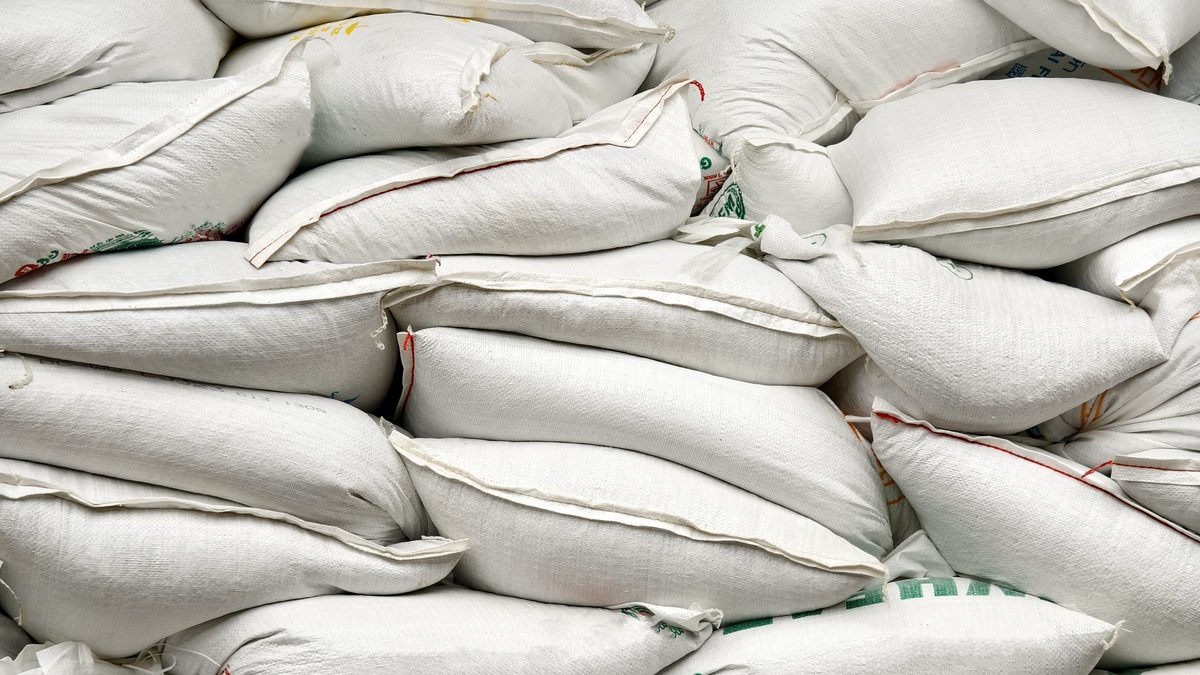
Salt Tablets 25kg for Commercial Water Softeners
Salt tablets 25kg is the trade term for water softener tablets packed in 25 kg bags.
The tablets are compressed sodium chloride used to regenerate the resin in ion-exchange water softeners.
They are an industrial product for water treatment equipment and are not intended for consumption.
This page covers specifications, packaging and bulk salt supplies for installers, distributors and facility buyers.
Salt tablets 25kg are water softener tablets sold in 25 kg bags. Each tablet is compressed high-purity sodium chloride, usually PDV salt. In the softener’s brine tank, the tablets dissolve into brine that regenerates the ion-exchange resin. Commercial sites, service companies and distributors buy them by the bag or by the pallet.
Who uses salt tablets 25kg?
The 25 kg bag is a trade format. It serves buyers who refill softeners often or resell salt to those who do.
- Installers and service companies that refill customers’ softeners during maintenance visits.
- Distributors and wholesalers of water treatment products supplying merchants and retailers.
- Hotels, laundries, commercial kitchens and apartment blocks with central softeners.
- Offices, schools and public buildings with softened hot water systems.
- Light industry using softened water for boilers, washing or process lines.
Households with large softeners buy 25 kg bags too, but this page focuses on commercial supply.
Bags suit sites where salt is loaded by hand. Plants that dissolve salt in brine makers usually buy loose salt instead.
The first decision is the salt form. Our guide to granular salt vs tablet salt compares both.
Tablet specifications: purity, insolubles, hardness, size
A tablet salt 25kg specification should cover four points.
The values for each lot come from its certificate of analysis, not from a general data sheet.
Purity
Purity is the sodium chloride content of the dry product.
EN 973:2009 sets two grades: A at 99.4% minimum, B at 98.5% minimum.
EN 973 is the European standard for salt that regenerates ion exchangers treating drinking water.
Tablets pressed from PDV salt start from vacuum salt, a highly refined commercial form of salt.
Our PDV salt guide explains how pure dried vacuum salt is made.
Within our group, the Parla and Ahu brands produce refined tablet salt from PDV salt.
The group’s refined vacuum salt is stated at 99.9% purity. Ask which EN 973 grade each certificate confirms.
Insolubles
Insoluble matter is what stays behind in the brine tank as sludge.
EN 973 caps water-insoluble matter at 0.05% for grade A and 0.35% for grade B.
Low insolubles mean fewer brine tank clean-outs. That matters when one engineer services dozens of sites.
Hardness
Here, hardness means the mechanical strength of the tablet, not the hardness of the water.
Hard tablets keep their shape in brine. Soft tablets crumble into fines.
Those fines can recrystallise into a dense sludge at the tank bottom, a fault known as mushing.
Ask your supplier how tablet strength is controlled and checked in production.
Size and shape
Size and shape affect how the pile settles, how water circulates and whether tablets pass the salt well opening.
Most softeners accept standard tablets. Some compact cabinets set limits, so check before switching supplier.
Packaging: 25 kg bags and pallets
For salt tablets 25kg, the bag is part of the product. Damaged or damp bags mean crumbled tablets.
The 25 kg bag is large enough for commercial refills and small enough to carry to a plant room.
When you compare 25kg tablet salt offers, check the pack as closely as the salt:
- Bag material: a moisture-resistant bag, typically polyethylene, protects tablets during storage.
- Printing: product name, net weight, lot number and storage advice on every bag.
- Seal: a secure closure keeps humidity out until the bag is opened.
- Pallet: bags stacked, stretch-wrapped and labelled for forklift handling and transport.
EN 973 also includes clauses on marking and storage, which help when drafting bag artwork.
Pallet layout, stacking height and wrapping depend on the pallet type and the transport mode.
We confirm the pallet layout with each quotation instead of quoting a fixed figure.
Salt supplies for distributors and installers
Water softener salt suppliers are judged on consistency: the same tablet, bag and paperwork on every delivery.
As water softening salt suppliers, we produce water treatment salt in tablet and granule form.
Our range serves domestic, commercial and industrial systems.
Mutlucan has produced salt since 2006 and exports to more than 40 countries.
Sourcing tablets and granular salt from one producer means both grades share documents and quality systems.
Product details are on our water treatment salt and tablets page.
Distributors that also serve appliance channels can read our guide to dishwasher salt.
A new supply agreement usually follows four steps:
- Share the softener types you serve, your annual volumes and the destination.
- Agree the specification: salt form, EN 973 grade, tablet format and required documents.
- Review the certificate of analysis and pack details that come with the quotation.
- Confirm pallet layout, bag labelling and delivery terms before the first order.
Tell us your volumes, destination and bag format. Our sales team confirms pack options and order terms.
Quality documents
Commercial buyers should expect a clear document set with every supply:
- Certificate of analysis for each lot: sodium chloride content, insolubles, moisture and other agreed parameters.
- Statement of the EN 973 grade, where the product is supplied against that standard.
- Safety data sheet covering handling, storage and transport.
- Management system certificates from the producer.
- Lot numbers on bags that trace back to production records.
Mutlucan holds ISO 9001, ISO 22000, ISO 14001, ISO 45001:2018 and TS 13001 certificates.
The current certificates are published on our certificates page.
Our group brands Parla and Ahu run production with ISO, HACCP and SEDEX documentation.
Our laboratories run continuous checks, with analyses carried out to international standards.
FAQ
How many 25kg bags fit on a pallet?
It depends on the pallet size, bag dimensions, stacking pattern and the height limit of the truck or container. A 1200 × 800 mm pallet usually holds fewer bags than a 1200 × 1000 mm pallet at the same stacking height. We confirm the exact pallet layout with each quotation.
Are salt tablets suitable for all water softeners?
Most ion-exchange softeners with a brine tank accept salt tablets, but not all. Some compact or older units specify granular salt or blocks, and industrial brine makers often need granular salt. Salt-free conditioners do not use salt at all. Always follow the softener manufacturer’s manual.
What is the shelf life of tablet salt?
Sodium chloride is chemically stable, so the tablets do not break down over time. Their practical life depends on storage: in damp conditions they absorb moisture, stick together or soften. Kept dry in sealed bags, they stay usable; follow any storage advice printed on the bag.
How are salt tablets stored?
Store bags indoors or under cover, off the floor on pallets and away from standing water. Keep bags sealed until use and rotate stock on a first in, first out basis. Keep salt apart from strong acids and oxidising agents, which react with sodium chloride, and do not stack above the agreed pallet height.
Request a tablet salt specification
Send your volumes, destination and bag requirements through our contact page.
We will reply with the certificate of analysis and the supply options for your market.
